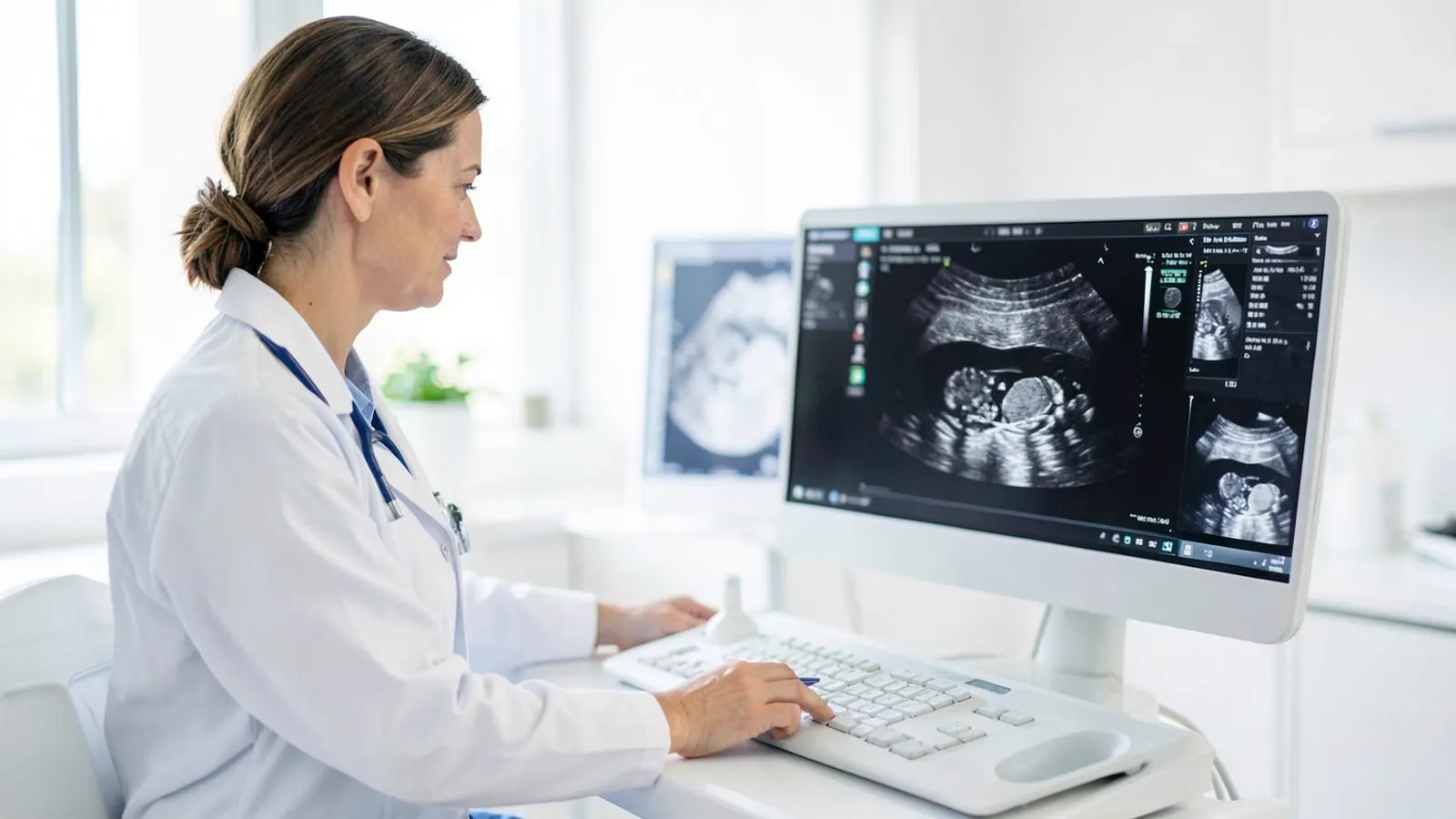
Patients now arrive at consultation with months of temperature curves, heart-rate variability trends and app-generated fertile windows. This is a genuinely useful development — a well-kept cycle record is better history than anything memory can supply. But not all of the data deserves equal weight, and some of it drives anxiety without adding accuracy.
What the data is genuinely good at
Wearables measuring continuous skin temperature and resting heart rate detect the post-ovulatory shift reliably in most women, which makes them good at confirming, retrospectively, that ovulation occurred. Combined with logged bleeding days, that gives a clear picture of cycle regularity — exactly what we need when assessing PCOS, perimenopause or unexplained infertility.
Symptom logging is underrated. A six-month record of pain scores mapped against cycle days is powerful evidence when investigating endometriosis or adenomyosis, and it makes the first consultation far more productive.
A six-month record of cycle length and pain scores is the single most useful thing you can bring to a first gynecology appointment.
Where predictions mislead
App-predicted fertile windows are statistical estimates, not measurements. In irregular cycles — which is precisely who most needs them — accuracy drops considerably. Couples trying to conceive should treat predictions as a prompt, not a schedule, and confirm with LH testing where timing genuinely matters.
At-home hormone kits deserve similar caution. An AMH result is meaningful in context and misleading alone: it estimates egg quantity, not egg quality, and it does not predict your chance of natural conception in any given month.
The privacy question
Reproductive health data is sensitive. Before choosing an app, check whether data is stored on your device or in the cloud, whether it is sold or shared with advertisers, and whether you can export and delete it. Prefer apps with a plain-language policy and local storage options — and be wary of any free service that cannot explain how it makes money.
How to bring your data to a consultation
Export a summary rather than handing over an app. Six months of cycle lengths, bleeding days, pain scores and any confirmed ovulation signals fit on one page and will genuinely change how efficiently your appointment runs.
Getting real value from your tracking
- Log bleeding days and pain scores consistently — that data is gold
- Treat predicted fertile windows as estimates, not appointments
- Interpret at-home AMH results with a clinician, never alone
- Check how your app stores, shares and deletes your data
Common questions
Are cycle apps accurate enough to avoid pregnancy?
Only specific, certified fertility-awareness apps used exactly as instructed have meaningful contraceptive evidence. General tracking apps should not be relied on for contraception.
Should I get an at-home AMH test?
It can be a helpful starting point if you are planning ahead, but the result needs interpreting alongside an ultrasound and your history. Low AMH does not mean you cannot conceive.
Book a consultation with Prof. Parkar
A private, unhurried appointment to review your history and design a plan that fits your life.